Why Understanding Tree Hazards Matters for Safety and Property Protection
Trees add beauty and value to properties, but they can also pose hazards. Understanding these risks is important for maintaining safety in residential and commercial areas. From weak branches to disease, various factors can make trees dangerous. Knowing when a tree needs cutting not only protects property but also keeps people safe. This article will explore common tree hazards and guide you on when cutting becomes necessary.
Recognizing Dangerous Branches
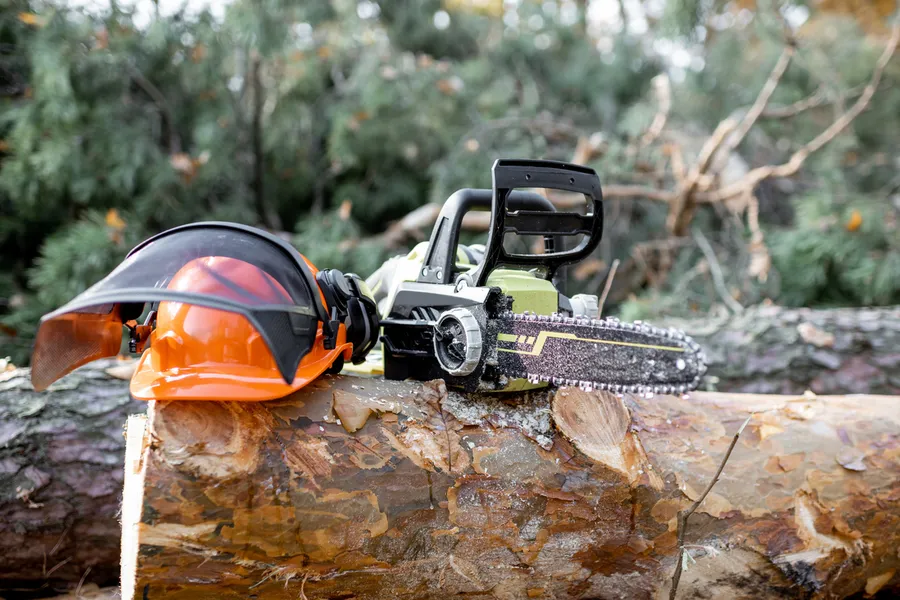
Branches are one of the most visible parts of a tree. However, they can become hazardous if they’re diseased or dead. Weak branches may fall during storms, causing damage or injury. It’s crucial to monitor for broken or hanging limbs. A professional tree cutting service can safely remove these risks before accidents occur.
The Role of Disease in Tree Health
Disease can quickly turn a healthy tree into a hazard. Fungi, pests, and infections weaken the structure, making it likely to topple. Symptoms like discolored leaves or unusual growths indicate potential problems. Experts from a tree cutting service can assess health issues and determine if removal is necessary.
Effects of Soil Erosion and Root Damage
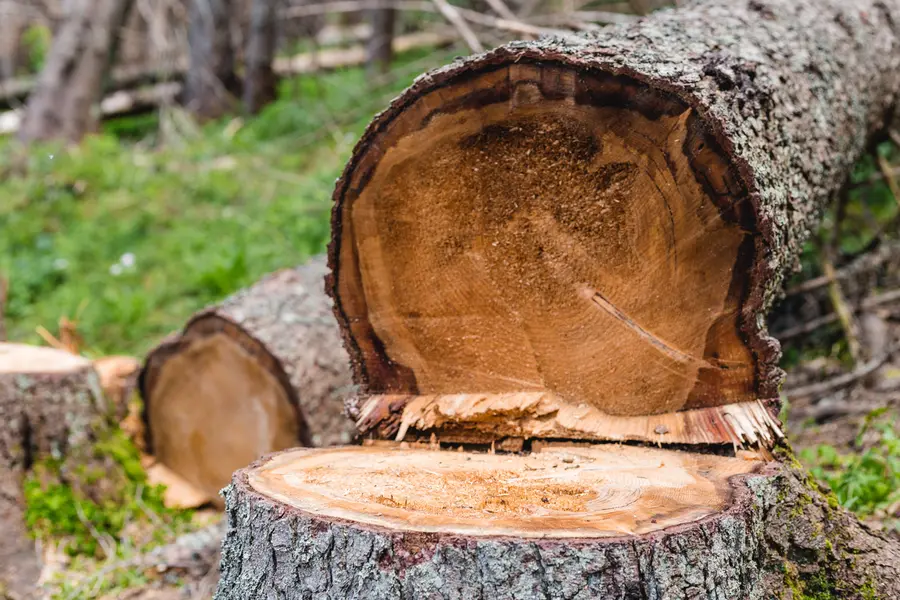
Trees rely heavily on their roots, which anchor them in place. Soil erosion and root damage compromise stability, increasing risk of collapse. Roots might be exposed due to construction or natural erosion, weakening support structures. Regular inspections help identify these issues early, preventing larger problems later.
Weather Impact on Tree Stability
Severe weather conditions, like strong winds and heavy rains, test a tree’s strength. Even healthy trees struggle under extreme stress, leading to falling branches or uprooting. It’s essential to prune regularly and remove weak sections. This proactive care maintains structural integrity and reduces risk during storms.
Steps to Assess Tree Hazards
Evaluating tree safety involves several steps:
- Inspect for dead or hanging branches
- Check for signs of disease or insect infestation
- Look at root exposure and soil condition
- Consult professionals for difficult assessments
These evaluations determine if cutting is needed to prevent hazards.
Caring for Trees While Preventing Hazards
Preventive maintenance is key to avoiding dangers while preserving trees. Regular pruning keeps trees healthy and lessens branch weight. Soil management improves root conditions, fostering better growth. Hiring experts ensures proper care without unnecessary cuts, balancing safety with environmental benefits.
Making Informed Decisions About Tree Removal
Deciding to cut down a tree requires weighing options carefully. Consider safety implications versus aesthetic or ecological values. Sometimes removing a hazardous tree opens space for healthier plants. Consulting with professionals provides insight into consequences and alternative solutions.
Contact Us for Expert Assistance
If you have concerns about tree safety, don’t hesitate to reach out for advice. Our team at Christian Pineda Handyman LLC is ready to assist with all your needs. Located in Bethel, CT, we offer comprehensive services tailored to your requirements. Give us a call at (203) 547-0372 to discuss how we can help safeguard your property effectively.